Understanding Submersible Axial Flow Pumps: Applications, Functionality, and Efficiency
Release time: 2026-01-19
Table of Contents
Submersible axial flow pumps are vital components in various industries, designed to efficiently move fluids from one location to another. Their unique structure and operation make them suitable for specific applications where high flow rates and low-pressure requirements are essential. In this article, we will explore what submersible axial flow pumps are used for, how they work, their flow rate capabilities, pressure generation, energy efficiency, industry applications, and tips on choosing the right pump type for your needs.
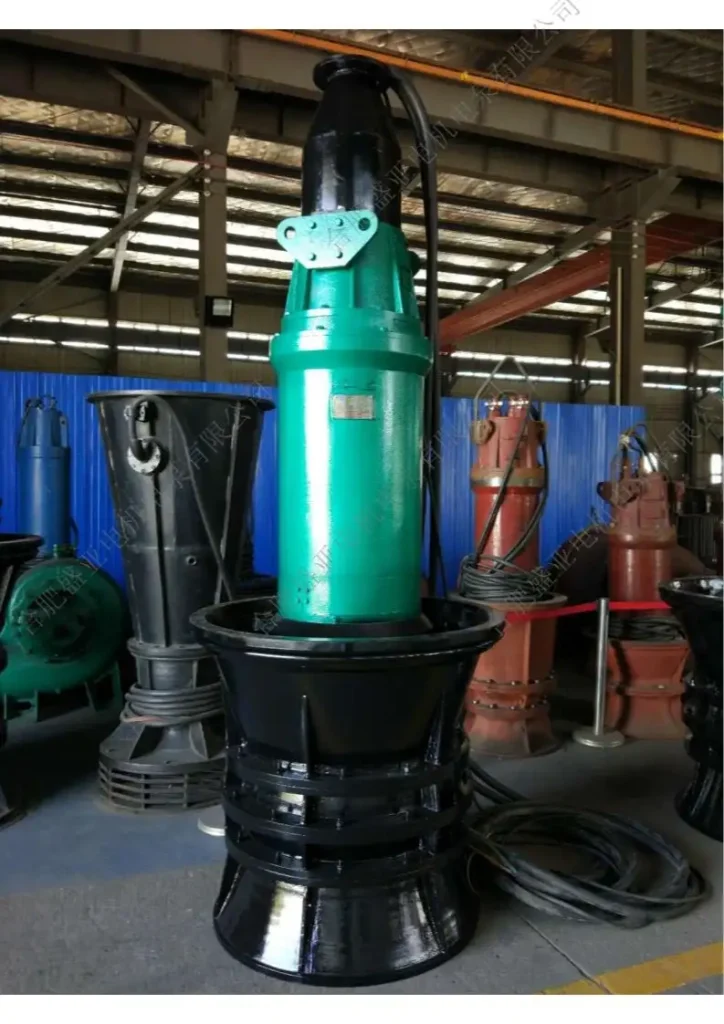
What Is a Submersible Axial Flow Pump Used For?
Submersible axial flow pumps are primarily used for pumping large volumes of water or other liquids with relatively low viscosity. They are commonly found in:
- Irrigation Systems: Used in agriculture to transport water from rivers or reservoirs to fields.
- Drainage and Flood Control: Effective in removing excess water from flooded areas or managing stormwater.
- Sewage Treatment Plants: Employed to move wastewater and sludge through treatment processes.
- Industrial Applications: Used in cooling systems, chemical processing, and mining operations where large-scale fluid transfer is required.
These pumps operate submerged in the liquid they are pumping, which helps to reduce noise and vibration while improving the overall efficiency of the system.
How Axial Flow Pumps Work
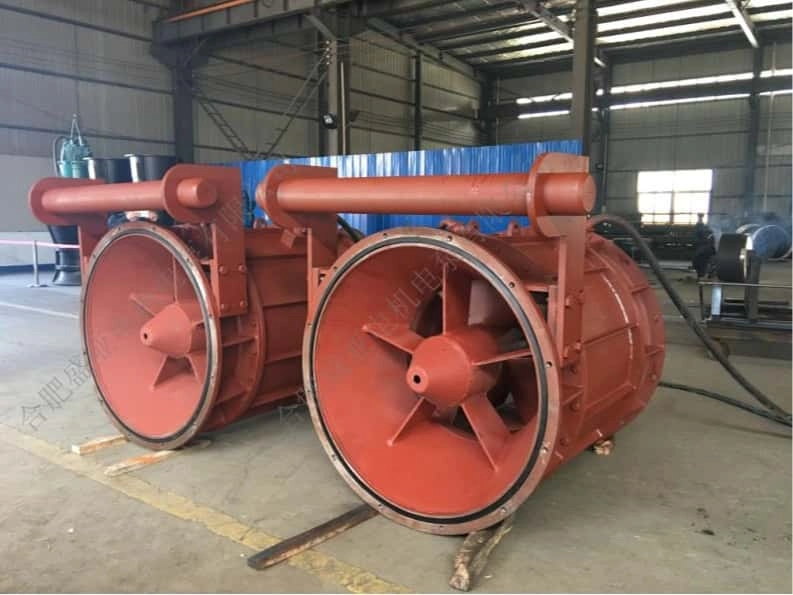
Axial flow pumps operate based on the principle of moving fluids along the axis of the pump. The key components include an impeller, casing, and motor. Here’s how they work:
- Impeller Design: The impeller features blades that rotate, creating a difference in pressure. As the blades turn, they push the fluid in a direction parallel to the pump shaft, resulting in axial flow.
- Fluid Entry and Exit: Fluid enters the pump through the inlet at the center of the impeller and exits through the outlet at the end of the pump, maintaining a straight flow path.
- Motor Drive: The motor, often located above the fluid level, drives the impeller. This design keeps the motor protected from the liquid, extending its lifespan and reducing maintenance requirements.
This straightforward mechanism allows axial flow pumps to achieve high flow rates with minimal energy consumption.
Flow Rate Capabilities
One of the standout features of submersible axial flow pumps is their ability to handle significant flow rates. Depending on the design and size, these pumps can move thousands of gallons per minute (GPM).
- High Capacity: Axial flow pumps are ideal for applications requiring massive volumes of fluid movement, such as irrigation and flood control.
- Variable Flow Rates: Many modern axial flow pumps can be equipped with variable frequency drives (VFDs), allowing users to adjust the flow rates according to the specific requirements of a given application.
This flexibility makes them an excellent choice for dynamic environments where demand can fluctuate significantly.
Pressure Generation
While submersible axial flow pumps excel at high flow rates, they are characterized by relatively low pressure capabilities. Typically, these pumps generate head pressures ranging from 10 to 50 feet, making them unsuitable for applications requiring high-pressure output, such as hydraulic systems.
- Hydraulic Head: The hydraulic head produced by an axial flow pump enables it to move fluids over short to medium distances efficiently.
- Low Pressure Preference: Industries that require large volume pumping at lower pressures benefit greatly from axial flow pumps, as they provide a cost-effective solution without the need for high-pressure capabilities.
Energy Efficiency
Energy efficiency is a critical factor in selecting a pump, especially for industrial applications where operational costs can quickly add up. Submersible axial flow pumps offer several benefits in this regard:
- Design Efficiency: The streamlined design of axial flow pumps minimizes turbulence and energy loss, leading to lower power consumption.
- Operational Cost Savings: By moving more fluid with less energy, these pumps contribute to reduced electricity bills, making them an economical choice for long-term use.
- Sustainable Solutions: Their energy-efficient operation aligns with sustainability goals, helping industries reduce their carbon footprint.
Choosing an energy-efficient axial flow pump saves on costs and supports environmental initiatives.
Industry Applications
Submersible axial flow pumps find diverse applications across multiple industries, including:
- Agriculture: Essential for irrigation, these pumps efficiently transport water from surface sources to agricultural fields, enhancing crop yields and resource management.
- Municipal Water Supply: Used in municipal systems for transferring water to treatment facilities and distributing clean water to communities.
- Construction: Employed in dewatering applications to manage groundwater levels during excavation and foundation work.
- Mining and Quarrying: Facilitate the movement of water in mining operations, where groundwater management is crucial for safety and efficiency.
- Chemical and Petrochemical Industries: Used for transferring process fluids, cooling water, and wastewater in refineries and chemical plants.
Choosing the Right Pump Type
When selecting a submersible axial flow pump, consider the following factors:
- Flow Rate Requirements: Determine the necessary flow rate for your application, ensuring the pump you choose can accommodate your needs.
- Head Pressure Needs: Assess the required pressure capabilities, keeping in mind that axial flow pumps are best suited for low-pressure applications.
- Fluid Characteristics: Understand the properties of the fluid being pumped, including viscosity and potential corrosiveness, to select the appropriate materials and design.
- Energy Efficiency: Evaluate the energy consumption of the pump, opting for designs that offer optimal efficiency and lower operating costs.
- Installation Environment: Consider the installation conditions, such as depth and accessibility, to ensure that the pump can be effectively integrated into your system.
Conclusion
Submersible axial flow pumps are indispensable in various industries, offering high flow rates, energy efficiency, and reliable performance in low-pressure applications. By understanding their functionality, flow rate capabilities, and suitable applications, you can make informed decisions when selecting the right pump for your needs. Whether for agricultural irrigation, municipal water supply, or industrial fluid transfer, these pumps play a crucial role in managing water and other liquids effectively.
FAQ
What is a submersible axial flow pump?
A submersible axial flow pump is a type of pump designed to move fluids at high flow rates and low pressure, operating while submerged in the fluid.
What industries use axial flow pumps?
Axial flow pumps are commonly used in agriculture, municipal water supply, construction, mining, and chemical processing.
How do I choose the right axial flow pump?
Consider factors like flow rate requirements, head pressure needs, fluid characteristics, and energy efficiency when selecting an axial flow pump.
What are the advantages of using axial flow pumps?
They offer high flow rates, energy efficiency, and are ideal for low-pressure applications, making them cost-effective for various industrial uses.